Tag Archives | Piet Oudolf

Piet Oudolf Interview – Part II

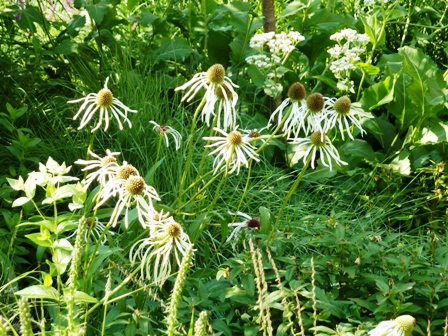
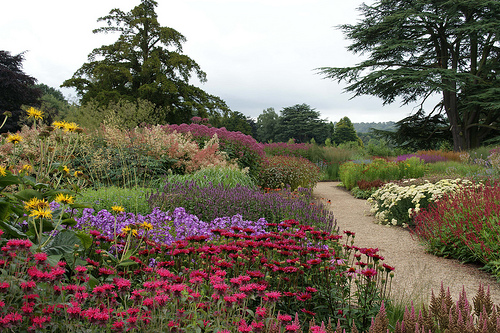
Trentham

A Conversation with Jacqueline van der Kloet

To learn more about Piet, I decided to speak with two people who have worked closely with him over the years.

First on my list was Jacqueline van der Kloet, a highly respected Dutch garden designer especially known for her knowledge of and artistry with bulbs. She initially met Piet in the 1990s: she was writing an article about the perennial, astrantia, and went to his home to interview him about it. What Jacqueline thought would be an hour-long interview turned into several hours of deep conversation about a plethora of gardening subjects. Without ever having met Jacqueline before, Piet suggested that she attend a plant conference with him in Germany, thinking that it might prove to be interesting and beneficial for her. Jacqueline did: and so developed a professional relationship that has continued to grow and flourish for more than 15 years. To this day, Jacqueline marvels at Piet’s enormous generosity.

Continue Reading →

Comments { 10 }

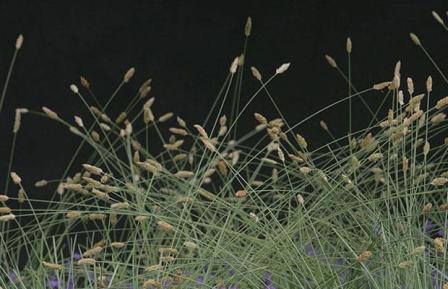
GGW Plant Pick of The Month: Sporobolus heterolepis

Europe 253

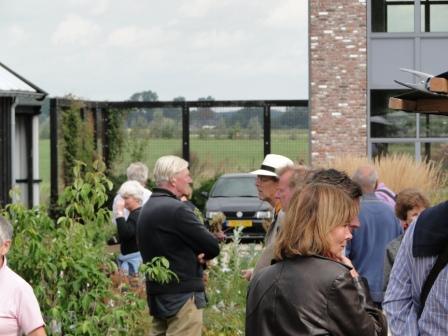
Oudolf Garden- Hummelo, Netherlands (09/06/2009).

I just returned home from my first trip to Europe. I was drawn to Grass Days at Kwekerij Oudolf, the home and nursery of influential Dutch garden designer and plantsman, Piet Oudolf and his wife Anja. I won’t elaborate on the Oudolf’s SPECTACULAR private garden in this post. I’ll save that for a later date. Oudolf’s work inspired September’s GGW Plant Pick of The Month, Prairie dropseed (Sporobolus heterolepis). Continue Reading →

Comments { 7 }

Oudolf Garden and Design Work

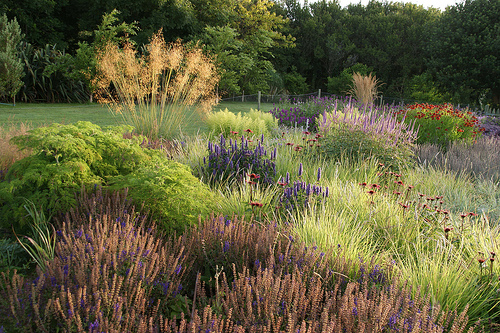
Nan’s recent post on the outstanding French garden, Le Jardin Plume, inspired me to flip back through my collection of back issues of Gardens Illustrated. Besides being a pleasure in itself, it reminded me of a particularly good issue from June 2008, which features a beautiful article on Piet Oudolf’s private garden, Hummelo. Continue Reading →

Comments { 4 }

How My Thoughts On Gardening Have Changed

When I started my garden on a bare piece of ground twenty plus years ago, I never could have imagined that it would develop into what it is now: intensely planted multi-tiered layers of garden rooms housed on a steeply sloping one half acre property.

fs-garden-lavender-on-hill-resized.JPG

This garden of mine has gone through several transformations, as have I as a gardener and as an individual. It reflects where I am in my life. Now I am the steward of a very mature garden, a property where I must renovate in order to feel infused with the exhilaration of observing plantings develop from their infancy onwards within the context of a new design. Continue Reading →

Comments { 5 }

A Different Slant on Dead Plant Material

So, two friends of mine were over for dinner last week. One friend who has photographed my garden over the years gave the other friend a garden tour while I was tossing the salad and throwing some chicken on the b-b-q.

I saw them standing near my southern sloping hill garden (whose soil has never been improved) which is filled with an array of plant material that needs little to no pampering. When they come indoors, my friend was lamenting the fact that I had lost a slew of lavender that had woven a magnificent tapestry throughout the hill over the past several years. She said “It’s a shame that they died. It looked so beautiful last year.”

salmon-yarrow-and-lavender-in-summer.jpgWell, of course she’s correct in one sense. But in all honesty, I must tell you that I wasn’t disappointed, just baffled when I saw by late May that the majority of the lavenders were showing no growth whatsoever. I wondered if the early warm weather followed by the snap of cold weather that we experienced on the East coast had caused their sudden demise. Or was it that my gardening crew cut them back too early in the season (although it was already May when they cut them back and only one third of the way down)? And why were the lavenders on the North side of the house thriving?

Continue Reading →

Comments { 1 }