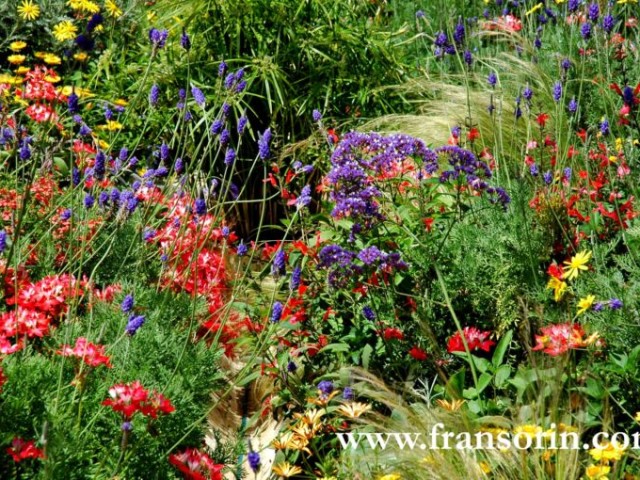
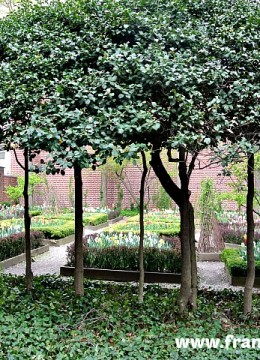
I’ve been devouring the spring blooms in Philadelphia over the past 2 weeks. As I take my daily morning walk, I’m amazed at the simple beauty of the plantings in both personal and public spaces. When walking down a city street, window boxes, container plantings, trees judiciously positioned, and pots strategically placed on the steps[...]
gardendesign
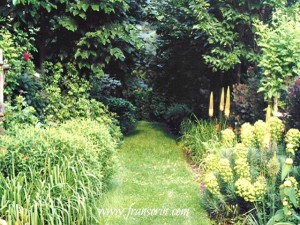
Pathways In My Backyard
This article was originally published in November of 2007. I thought it worth posting again as we get closer to fall and gardeners are beginning to contemplate making changes in their garden. I hope you enjoy! Thanks to Nan’s November Design Workshop on pathways, I am compelled to get this final post up before the[...]
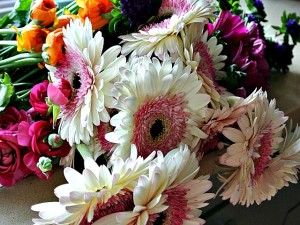
Playing with Flowers: 10 Steps on How to Celebrate Valentine’s Day with a Loved One
I’m re-publishing this article in honor of Valentine’s Day. I can think of no greater gift than buying a slew of flowers for someone you love and spending a few hours together (with no interruptions) creating some playful arrangements. Directions and benefits are listed below. If you think that buying fresh cut local flowers and[...]
gardenmusings
13 Reasons Why Gardening Is Good For Your Health
The results of a multitude of research is now showing what gardeners have intrinsically known for generations – that gardening is good for your health.
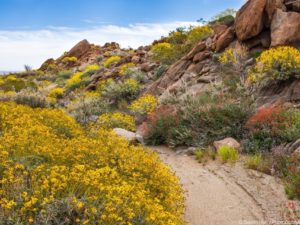
The Wild Desert Garden
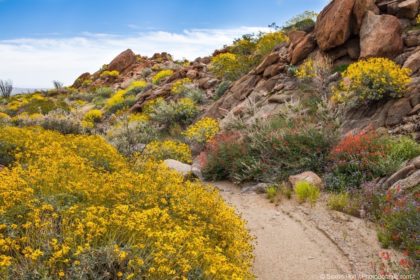
This past spring I witnessed the superbloom in the California deserts. It was a sensation. The superbloom began in late winter in the southern most deserts and progressed northward, a result of ample rain after five years of drought. I was particularly intrigued, and made two separate visits to the Sonoran Desert east of San[...]
How the Winter Garden is a Perfect Metaphor for Life
As I sit and write this post, I marvel at how the winter garden is a perfect metaphor for life. Regardless of what you feel about the results of the U.S. Presidential election, the country has been through a difficult time. Millions of us are still reeling from the rancor and divisiveness that took place[...]
gardenphotography
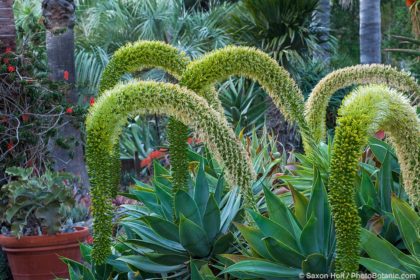
succulentgardening
Join Me in Celebrating the Joy of Succulents!
You’re invited to subscribe to my “Celebrating the Joy of Succulents” newsletter—a fast-growing community of several thousand subscribers. I’m primarily interested in serving a select and savvy group who share my passion for “plants that drink responsibly.” Recent “Celebrating the Joy of Succulents” topics include Succulent Windowsill Pots DIY, How Rain Benefits Succulents, How to Grow Succulents Indoors,[...]
Can Landscaping Protect a Home from Wildfire?
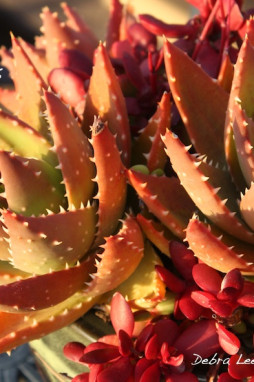
Can landscaping protect a home from wildfire? Camille Newton, M.D., of Bonsall, CA, says yes. Dr. Newton started her six-year-old succulent garden mostly from cuttings. “It’s my go-to place after work,” she says, noting that gardening is a stress-reliever. The land’s nutrient-poor, decomposed-granite soil serves as a coarse, fast-draining substrate that she top-dresses with[...]
Spring, Succulents and Scorching Blooms
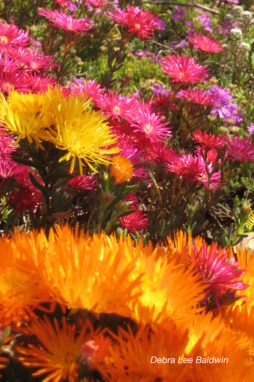
Here in California, a spring garden’s most vivid blooms often are those of succulent ice plants. Aloes, bulbine and numerous arid-climate companions are bright and beautiful from March through mid-May. Increasing temps tend to put the kibosh on delicate spring flowers. If you live near the coast, you’ll enjoy a longer spring, but you may[...]